
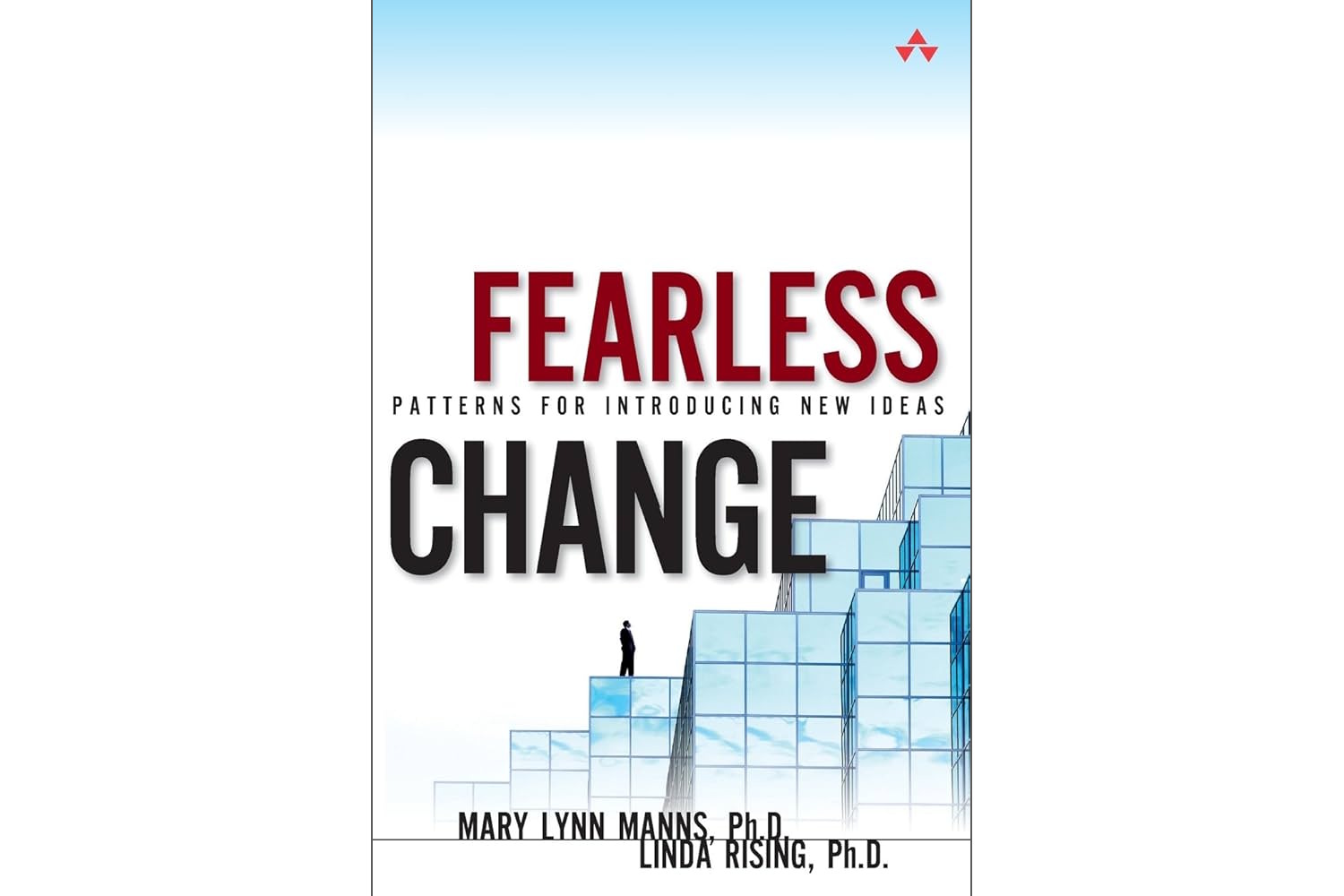
When we first cracked open Fearless Change, we didn’t expect it to feel… so doable. Change-making books can be dense, full of theories and abstract advice. This one was surprisingly short and to the point (more like a TikTok than a drawn-out YouTube lecture).
Each chapter offered a group of “patterns,” bite-sized actions for moving an idea forward. Patterns like “Bridge-Builder” and “Connector” brought us a different way of thinking more intentionally about how to link different spheres and bring people into conversations who wouldn’t typically interact. One participant shared: “I’d get stuck in analysis paralysis, spending so much time refining plans that, in the end, were often disrupted anyway by unforeseen variables. Patterns like Step-by-Step and Test the Waters helped me see that it’s not only okay to start small, but it’s actually often the smartest way to begin. Now, instead of obsessing over having the perfect plan, I try to focus on the next right step—learning and adjusting as I go.”
One line from the book stayed with us: “Innovations are best spread slowly and quietly, so you learn from your failures and build on your successes.” In a world where everyone seems to be competing to be the loudest voice online, this idea felt refreshing. A reminder that quieter, steady work can sometimes be the most transformative.
Real-World Examples We Tried
We didn’t just read and talk about the patterns, we tried them. And many of us realized we’d been using them all along. One member, working in a research organization, used the pattern “Trial Run” to quietly pilot a new project management system for her team of scientists. Instead of asking for leadership approval right away, she built a small prototype in Asana for one project, framed it as “just an experiment,” and invited feedback. By lowering the pressure and involving colleagues early, she not only got buy-in from skeptical team members but also showed how the tool could make data collection and reporting faster; a major win in her fast-paced research environment.
Another member shared how applying the patterns early on reinforced the value of the book club itself. “Before I joined, I was nervous the book club might be a distraction from my work, but it turned out to be a benefit… and my team is already experiencing the payoffs. I used patterns we discussed in Fearless Change to have conversations with key people about a much-needed hire. Without that motivation, I may not have tested those ideas at work, and we’d likely still be without a hiring plan for the new role.”
Putting It Into Practice
In some STEM circles, it can feel uncomfortable or frowned upon to be part of community organizing. But it’s important to remember that organizing doesn’t always mean rallies or campaigns; sometimes it’s about shaping change right inside your workplace. As one participant put it: “The ideas in Fearless Change reminded me that we have permission to act.”
We didn’t just read Fearless Change straight through. We followed a weekly reading order that let us digest and apply a few patterns at a time. It worked so well we’ve put together our reading schedule so you can try it too.
What we loved most is how this book gave us tools we could adapt; mixing and matching patterns to fit our own needs, contexts, and communities. One thing we want others to know about Fearless Change is how incredibly practical and empowering it is, not just for community organizers, but for anyone pursuing a goal or trying to spark meaningful change.
Explore the full set of Fearless Change patterns and resources below.
Meet the Participants
Our Fearless Change book club was shaped by the diverse perspectives of its members, each bringing unique experiences from across the STEM landscape.
- Nouran A. (Scientist in Academia)
“I am deeply engaged in teaching and curriculum development, and was drawn to this book club for the chance to expand STEM advocacy beyond the classroom. I hoped to generate fresh ideas and ways to use the resources I already have to make meaningful change.” - Sarah N. (Director of Operations in Public Science Engagement)
“When I saw the call for participants, I was intrigued by the idea of applying community organizing to STEM. The organizations I work with are always seeking new insights for engaging people with science. This book club gave me space to explore those ideas with others.” - Katie S. (STEM Industry Professional)
“After being impacted by government layoffs in 2025, I began a new position and wanted to find ways to make an impact in the world around me. I’m especially interested in how these patterns can support education and create positive change.” - Talisha S. (Scientist Turned Independent Consultant)
“As a scientist by training now working independently, I wanted to learn more about how to lead and inspire change. These lessons feel especially relevant for my work with my local school board and state legislators.”
Acknowledgements
Funding for this project is provided by the RIOS Institute.